Guides for Mission Properties
Can Power Washing Damage Siding?
Excessive pressure, poor technique, or an unsuitable process can damage siding, coatings, joints, and seals, so the surface must be assessed first.
Safe planning starts with the siding material and its current condition, not with a universal pressure setting.
Why siding material matters
Vinyl, fibre cement, painted wood, stucco, masonry, soffits, and trim have different finishes, joints, and manufacturer guidance. Identify the materials on each elevation so a provider can assess an appropriate method instead of treating every wall the same.
Where damage can happen
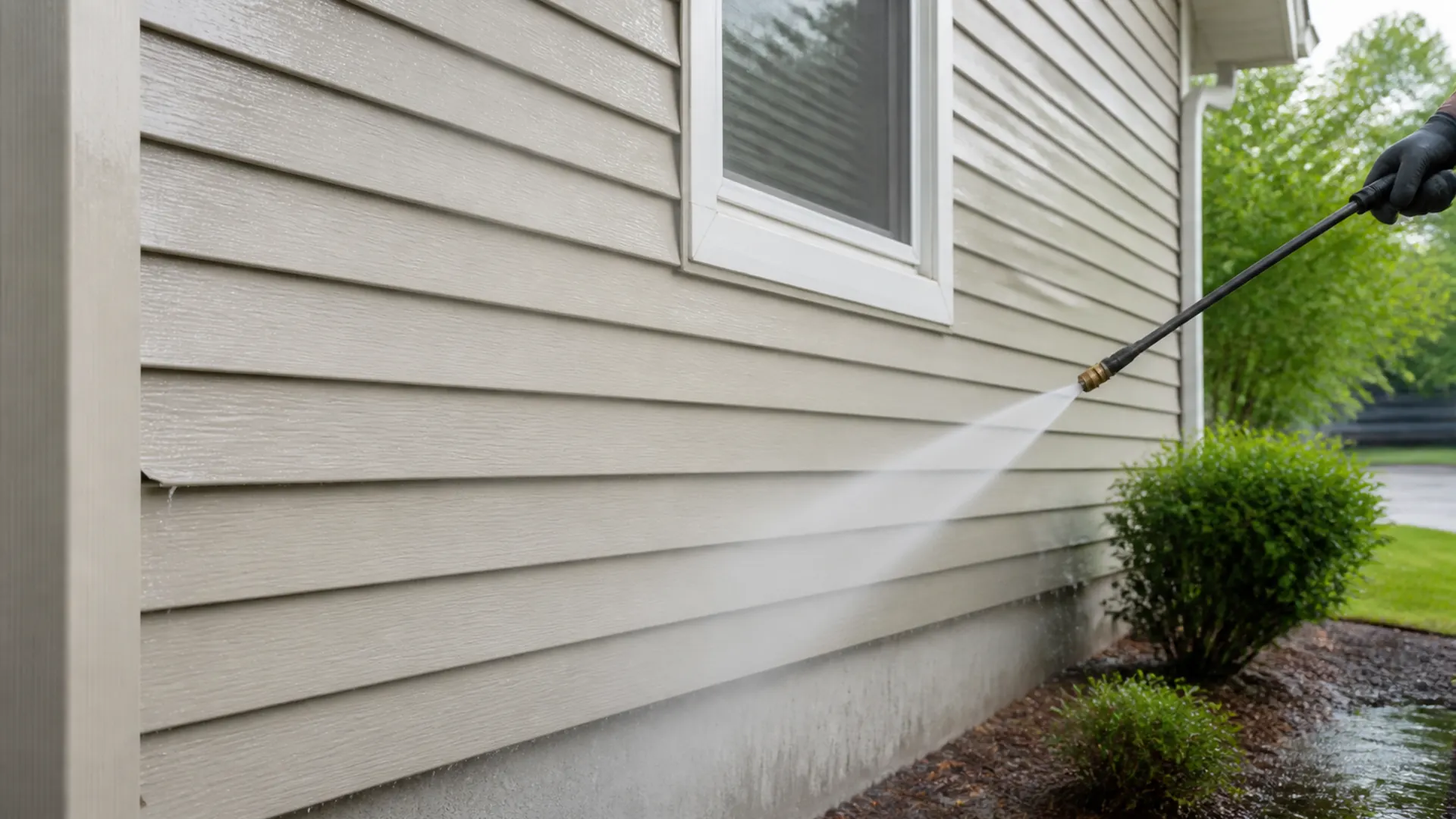
Excessive force or poor spray direction can mark finishes, lift weak paint, disturb joints, or direct water behind siding and around openings. Loose panels, cracked caulking, failed seals, open vents, and existing water-entry concerns should be disclosed before work.
When lower pressure may be considered
A lower-pressure process may be considered for a vulnerable finish, but the label alone does not make a method safe. Cleaning products, dwell time, rinsing, vegetation, runoff, coatings, and existing damage still need review at the property.
Details to include in an estimate request
List siding type, approximate age, storeys, access, visible buildup, repairs, loose paint, damaged panels, nearby plants, outlets, windows, and water information. Ask the provider to confirm the method, protection steps, exclusions, and realistic result after inspection.
Apply the guide to your property
Select the relevant service and describe the property conditions. The request does not confirm pricing, availability, a provider, or a booking.